

Technical documentation is undergoing rapid change. New technologies and requirements—such as artificial intelligence in content creation, modular information architectures, content delivery portals, and the upcoming Digital Product Passport (DPP)—are shaping discussions among industry experts. They demonstrate what is already possible today and what will be essential in the near future.
Between Progress and Practical Application
In many companies, however, the reality is quite different. Documentation is often still viewed as a PDF manual, processes are linear, and content management systems are operated within their traditional structures. Specialists are aware of these advancements, but they are not being implemented. This is precisely where the innovation gap arises: the gap between what is technologically and methodologically possible and what is actually practiced in day-to-day business operations.
The Digital Product Passport as a Turning Point
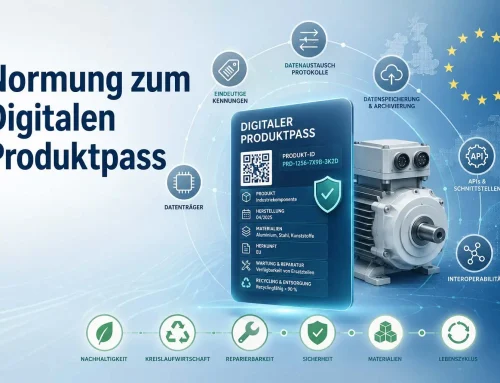
One example highlights this gap particularly well: the Digital Product Passport. Its purpose is to make product information available digitally, in a structured and machine-readable format, throughout the entire product lifecycle. This opens up enormous opportunities for technical documentation—from the seamless integration of product data to the sustainable provision of information for customers, regulatory agencies, and partners.
Why many companies are not yet prepared
While experts are engaged in intense discussions about concepts, standards, and initial pilot projects, many companies are largely unprepared for this development. The necessary systems, data structures, and processes are lacking, and management is often not yet aware of the issue. For technical writers, this means that while they recognize the importance of the DPP, their organizations remain stuck in a traditional understanding of documentation.
The Risks of the Innovation Gap
The consequences are clear:
- Missed opportunities due to a lack of preparation for regulatory requirements.
- Frustration among skilled workers whose knowledge and potential are not being utilized.
- A widening gap between pioneering companies and laggards.
How companies can bridge the gap
To bridge the innovation gap in technical documentation, companies must view documentation as a strategic success factor. This requires three steps:
- Recognizing the need: Regulatory requirements such as the Digital Product Passport or the Machinery Directive make modern documentation indispensable. Companies must understand that compliance cannot be achieved without new approaches.
- Demonstrating added value: Pilot projects and business cases show that current methods not only reduce costs but also lower support expenses, increase customer satisfaction, and secure competitive advantages.
- Promoting cultural change: Continuing education, knowledge exchange, and highlighting pioneers help establish the role of technical documentation as an integral part of the digital value chain.
Those who consistently follow these steps will not only close the innovation gap but also make documentation a driver of efficiency, legal certainty, and competitiveness.





Leave a comment