

Jan looked out of his editorial office window in Bremerhaven, where the waves of the North Sea were crashing powerfully against the new barrier. He had logged into the editorial system, which had just received a Request for Documentation (RFD) from the metadata management system. Jan confirmed the request with a gesture. An avatar appeared on the screen and asked:
"Hello Jan, what can I do for you?"
"Kira, please compile a new documentation project. Name it 'ULCS Sail H2'. Request all relevant documents from the design and automation departments and use the new metadata from the RFD that I just confirmed. Use my access to do this."
Kira scanned Jan's iris unnoticed, authenticating her access to the necessary documents. A structural network with several empty nodes appeared on the screen. Gradually, these filled up and the avatar said:
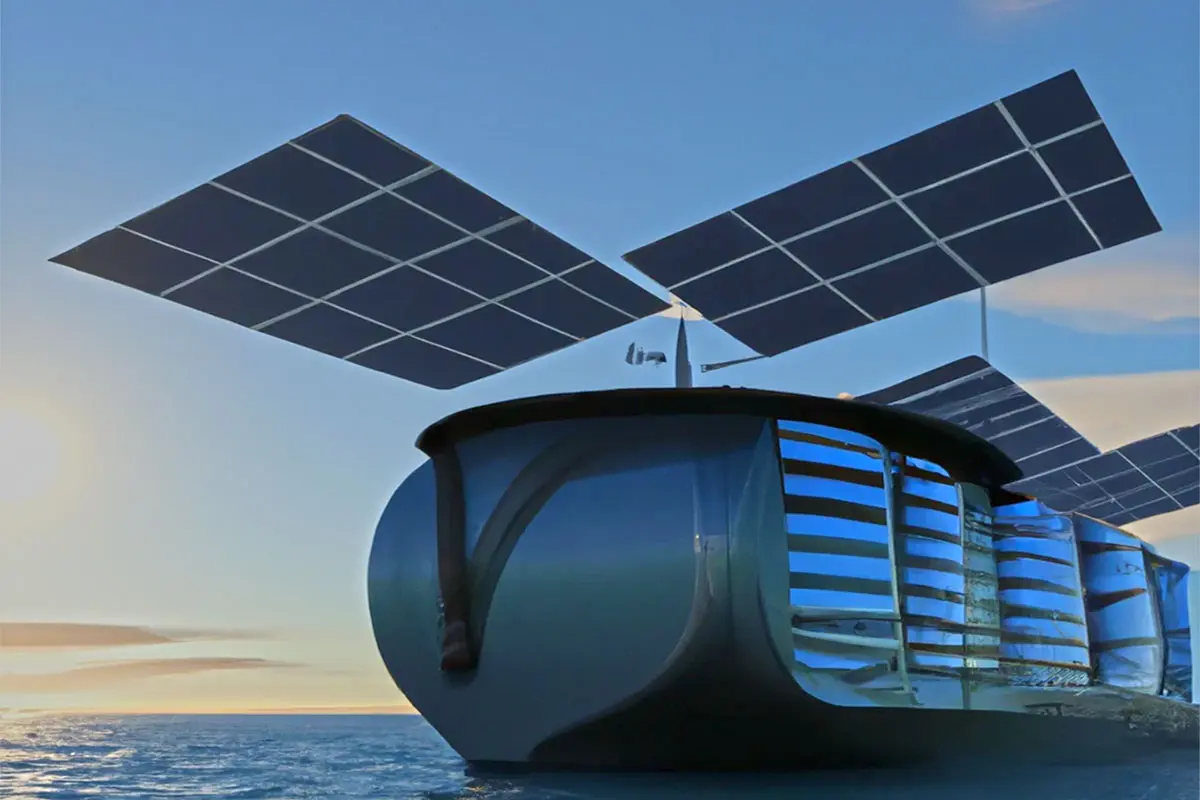
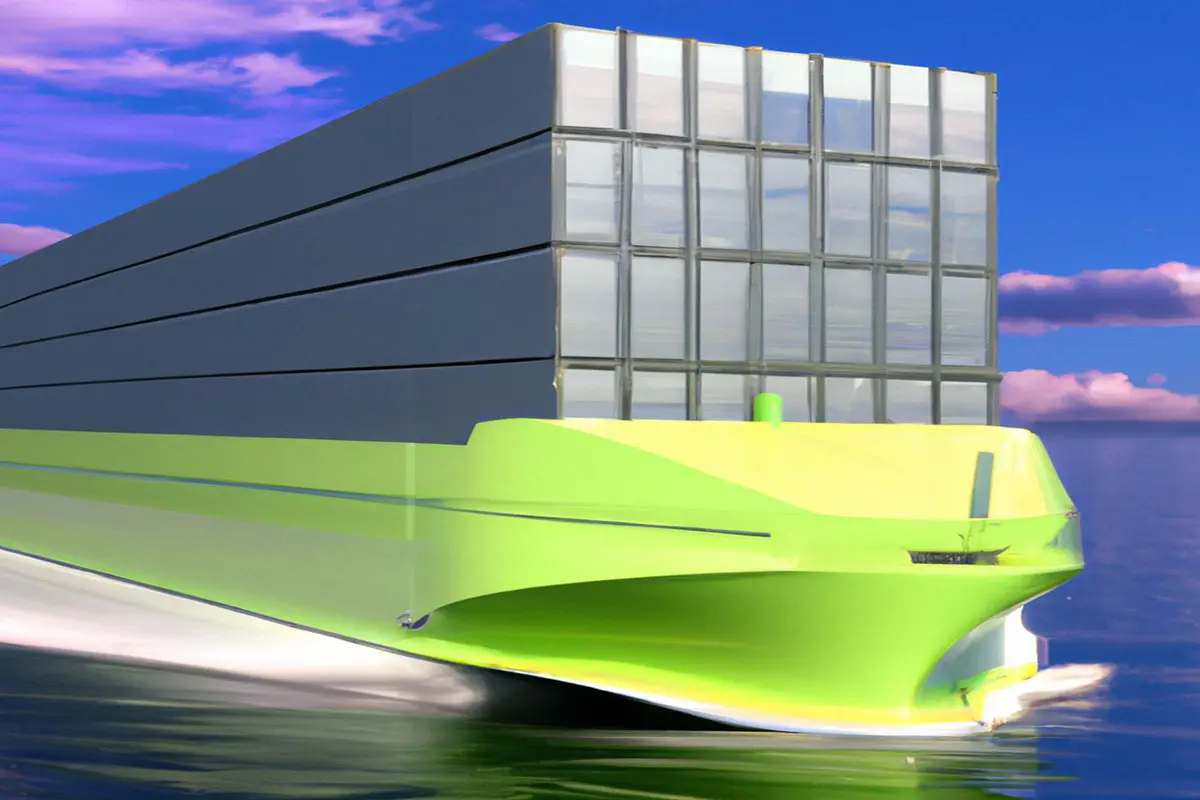
"I recognize an ultra-large container ship of conventional design with sails and electric propulsion. Wait a minute... I can't find any supplier documentation for the hydrogen tank and fuel cell."
"The supplier is Nihon DaiCo in Japan. We get this information directly from their CDP."
"Standard structure according to applicable standards and guidelines?"
Jan agreed.
"Global sales territory?"
Jan nodded again.
"Which languages?"
"All 39 languages of the EU, 98 translations for the West African Union, and 8 for the New Ottoman Empire. We don't have to supply the Far East or the Americas."
"Do we still need publications in outdated standards such as iiRDS or any paper documents?"
"No, we only deliver according to Industry 5.0 standards. Paper is far too expensive." Besides, there are no more printing companies, he thought, let alone paper.
"Okay Jan, I'm done. Eighteen million nodes were reused. 1,802 new nodes were generated and translated. I learned 92 exabytes of new knowledge about integrating fuel cells into container sailing ships."
Jan watched the workflow assistant send the project to DQ for review, compare the augmented reality with the 3D models, and have the structure and language check AIs review it again. As expected, everything was error-free. As always, Jan opened a data node for fun to view the original AI-generated XML5 code. Then the workflow assistant sent the reviewed project to the design department. Just a few seconds later, the advanced CAD AI gave its approval, and the workflow assistant compiled the package and uploaded it to the content delivery portal of the ship, which was currently being welded together by robots in a shipyard in Ghana. It was one of the last human-readable manuals ever produced. Future generations of ships would operate, maintain, and repair themselves autonomously and would therefore be unmanned. Clearly written instructions for operating personnel would then no longer be necessary.
Jan's gaze wandered back to the North Sea. It had become rare for him to have to go to the office. Almost everything worked automatically anyway. But now the end of human-operated technology was in sight, and he was feeling sentimental. He would miss these excursions into the world of technical documentation.

Hallo,
der Artikel wirkt erst sehr futuristisch und weit weg von uns, aber dann liefert die reale Gegenwart ein Beispiel aus einer etwas anderen Redaktionssparte – dem Radio.
Es gibt nun den experimentellen Radiosender bigGPT:
https://www.bigfm.de/webradio/biggpt
Die “Moderatoren” heißen “bigLayla” und “bigBen”. Dahinter verbirgt sich eine Variante von GPT-4. Die KI gestaltet das Programm (Moderation und Musikauswahl) komplett selbstständig (unter menschlicher Beobachtung).
Themenrahmen (Sport ua. – also leicht verdauliche Kost) für die Moderation sind vorgegeben und die Musikauswahl richtet sich nach den Top-Hits der aktuellen Charts (Spotify ua.).
Klar ist das bei weitem nicht so anspruchsvoll wie die komplette Erstellung einer Anleitung, aber es ist ein weiterer Anfang in die vom Autor gezeigte Richtung.
Mit bestem Gruß
Christian Fahn